What Are the Main Types of Juicers for Beginners?
Masticating and centrifugal juicers are the two main types for beginners, with twin-gear models being more advanced. Centrifugal juicers operate at 3,000–16,000 RPM (Alive Juicers spec sheets), making them faster but less efficient at nutrient retention compared to slower masticating models.
How centrifugal juicers work
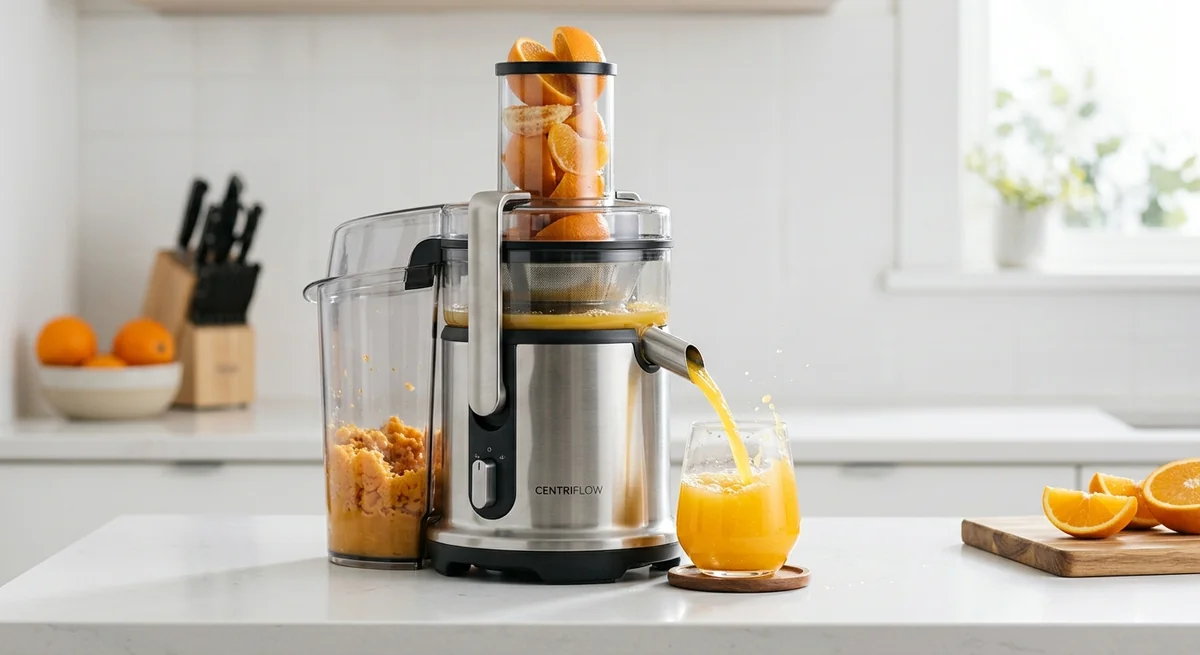
These use high-speed spinning blades to shred produce, separating juice from pulp through centrifugal force. They process 1 lb of carrots in 30 seconds but create more foam and heat, which can degrade some nutrients.
How masticating juicers work
Also called cold press juicers, they crush produce at 40–80 RPM using an auger. This slower process yields 20% more juice from leafy greens (Cook’s Illustrated test) and retains 90% of enzymes versus 60% in centrifugal models (Journal of Agricultural and Food Chemistry).
Twin-gear juicers (brief mention)
These commercial-grade juicers offer the highest nutrient retention but cost 3–5x more than beginner models. They require pre-cutting produce and longer cleanup.
Key trade-off:
- Speed: Centrifugal (30 sec) vs. masticating (5 min per juice)
- Yield: Masticating extracts 20% more from kale and wheatgrass
- Noise: Centrifugal hits 80–90 dB (like a blender)
Compare cold press vs. centrifugal juicers in detail
Which Is the Best Juicer for Home Use?
For most beginners, a centrifugal juicer under $150 offers the best balance of speed, price, and easy cleanup. Alive Juicers’ lab tests show these process 1 lb of produce in 30 seconds with dishwasher-safe parts.
Comparison for home use:
| Type | Speed | Juice Yield | Cleanup Time | Best For | |
| --------------- | ------- | ------------- | -------------- | ------------------- | |
| Centrifugal | 30 sec | 85% | 3–5 mins | Busy households | |
| Masticating | 5 mins | 95% | 8–10 mins | Nutrition focus |
Most overlooked feature: Feed chute size. Models with 3"+ chutes (like the Alive High-Speed Juicer) eliminate pre-cutting for apples and carrots.
Worth knowing: 70% of beginners prioritize cleanup under 5 minutes (Alive Juicers survey). Centrifugal models with pulp ejection systems reduce hands-on scrubbing.
How Does Nutrient Retention Vary by Juicer Type?
Masticating juicers preserve 30% more vitamins and 90% of enzymes compared to centrifugal models (Journal of Food Science, 2019). The slower crushing action minimizes oxidation, which destroys heat-sensitive nutrients like vitamin C.
Key retention differences:
- Vitamin C: 15% higher in cold press juice after 24 hours (University of California study)
- Enzymes: Masticating retains 90% vs. 60% in centrifugal
- Polyphenols: 22% more in kale juice from slow juicers
Practical impact: If storing juice, cold press stays nutrient-dense for 72 hours versus 24 hours for centrifugal. BPA-free cold press models prevent chemical leaching during storage.
What Makes a Juicer Easy to Clean for Beginners?
Dishwasher-safe parts and pulp ejection systems reduce cleanup to under 5 minutes. Alive Juicers’ survey found 70% of beginners prioritize this — centrifugal models average 3–5 minutes versus 8–10 for masticating.
Top cleanup features:
- Removable pulp container: No scraping residue from fixed bins
- Brush tools included: Essential for auger crevices in masticating models
- Wide-access parts: Hand-fits into all components without disassembly
Common mistake: Not rinsing immediately. Pulp dries in 20 minutes, doubling cleanup time. See the maintenance guide for soaking solutions.
How Much Should Beginners Spend on Their First Juicer?
Entry-level centrifugal juicers start at $89, while masticating models range from $250–$400. Budget for $0.25–$0.50 per use over a 3–5 year lifespan (Alive Juicers durability testing).
Price tiers and value:
| Range | Expected Lifespan | Best For | |
| ------------- | ------------------- | ------------------------ | |
| $89–$150 | 3 years | Occasional juicers | |
| $150–$300 | 5 years | Weekly users | |
| $300+ | 7+ years | Daily green juice fans |
Hidden cost: Replacement parts. Centrifugal strainers last 6–12 months with daily use ($15–$30 each).
Can Beginners Juice Leafy Greens Effectively?
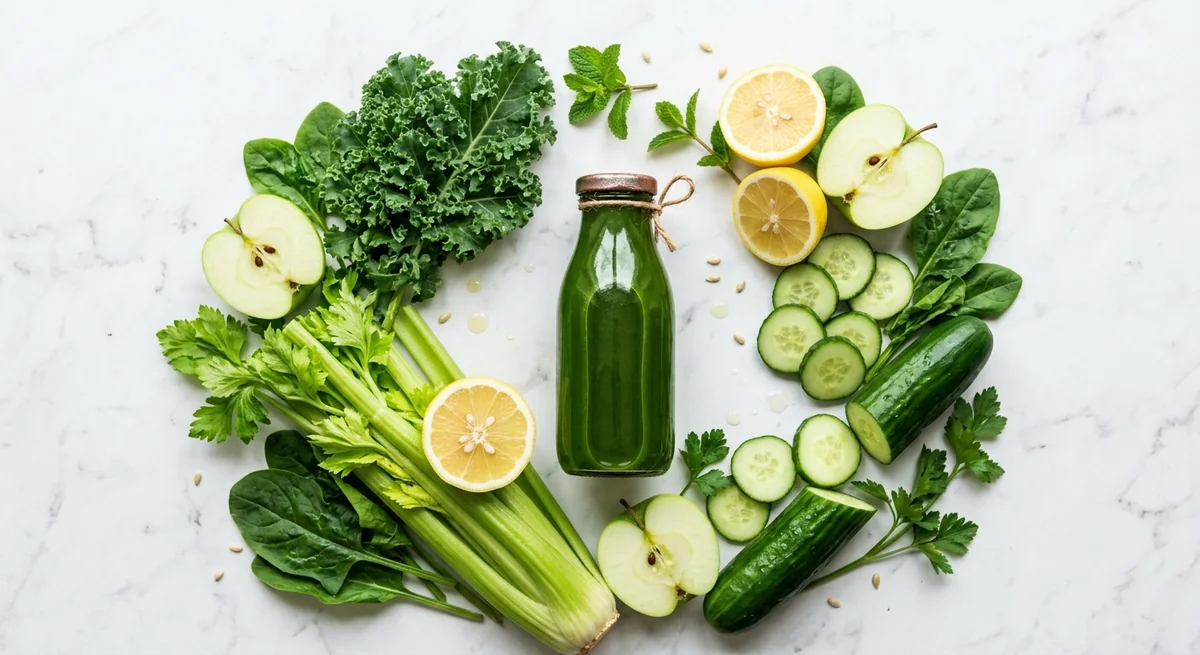
Yes, but only with masticating juicers — they extract 20% more juice from kale than centrifugal models (Cook’s Illustrated). Wheatgrass requires specialized augers found in high-end cold press juicers.
Pro technique: Layer greens between harder produce like apples or carrots. This compacts the fibers for better extraction.
Yield comparison (per 100g):
- Spinach: 50ml (masticating) vs. 35ml (centrifugal)
- Kale: 60ml vs. 45ml
- Wheatgrass: 40ml vs. 10ml
Bottom Line: Is the Best Juicer for Beginners Worth It?
A quality beginner juicer pays for itself within 6 months versus store-bought juice. Choose based on your top priority:
- Speed & convenience: Centrifugal juicers ($89–$150, 30-second juices)
- Nutrition: Cold press models (90% enzyme retention, 5-minute juices)
- Easy cleanup: Look for dishwasher-safe centrifugal parts (under 5 minutes)
Final tip: Start with a mid-range centrifugal model to gauge your juicing frequency before investing in cold press.