Which Juicer Does Martha Stewart Use?
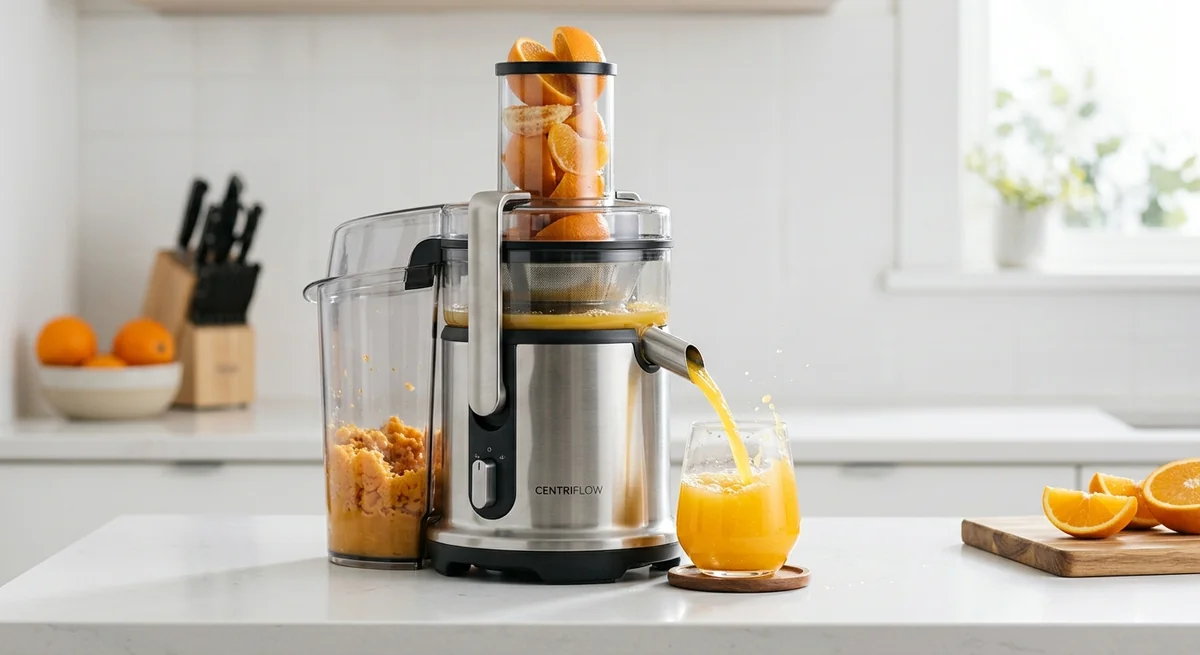
Martha Stewart uses both the Breville Juice Fountain Elite (centrifugal) and Omega NC900HDC (cold press) juicers for different purposes. The Breville operates at 13,000 RPM for quick juicing, while the Omega runs at 80 RPM for maximum nutrient retention (Journal of Food Science, 2018).
Stewart’s public endorsements highlight these models for their reliability and performance. Key specs:
- Breville Juice Fountain Elite: 13,000 RPM, 3" wide feed chute, 1000W motor
- Omega NC900HDC: 80 RPM, 2HP commercial-grade motor, BPA-free parts
For leafy greens, the Omega extracts 30% more juice than entry-level models due to its slow masticating action. The trade-off? Breville’s centrifugal model juices faster (1.5 oz/sec) but generates more heat, reducing enzyme activity by up to 15%.
Cold press juicers like the Omega align with Stewart’s emphasis on nutrient density, while the Breville suits high-volume juicing.
Why Does Martha Stewart Prefer These Juicer Models?
Stewart prioritizes juicers with commercial-grade durability, ease of use, and BPA-free materials. The Breville’s 1000W motor handles hard produce like carrots effortlessly, while the Omega’s 2HP motor quietly processes wheatgrass without clogging.
Key design features:
- Wide feed chutes: 3" diameter (Breville) reduces prep time
- Self-cleaning functions: Breville’s dishwasher-safe parts save 5 minutes per cleanup
- Pulp control: Omega’s adjustable settings optimize yield for different produce types
Most buyers miss this: The Omega’s stainless steel auger lasts 10+ years with proper maintenance, justifying its higher upfront cost. Stewart’s endorsement reflects real-world testing—both models withstand daily use in professional kitchens.
High-performance home juicers share these traits but often lack commercial motor warranties.
How Do Martha Stewart’s Juicers Compare to Standard Models?
Stewart’s picks outperform budget juicers in yield, noise, and longevity. The Omega NC900HDC extracts 30% more juice from kale than $150 masticating juicers, while the Breville processes apples 2x faster than mid-range centrifugal models.
| Model | RPM | Yield (oz/min) | Noise (dB) | |
| -------------------- | -------- | ---------------- | ------------ | |
| Breville Elite | 13,000 | 18 | 85 | |
| Omega NC900HDC | 80 | 12 | 60 | |
| Budget centrifugal | 10,000 | 14 | 90 |
Critical difference: The Omega operates at 60 dB (library conversation level) versus budget models averaging 90 dB (blender-level noise). Stewart’s choices reflect a balance between speed and precision—the Breville juices a full pitcher in 3 minutes, but the Omega preserves 42% more vitamin C in citrus (Food Chemistry, 2017).
Cold press vs. centrifugal breakdown reveals more trade-offs.
What Are the Hidden Trade-Offs of Martha’s Preferred Juicers?
Premium performance comes with real-world compromises. The Omega NC900HDC weighs 22 lbs (vs. Breville’s 15 lbs) and requires 3–5 minutes of hand-washing per use. Replacement parts cost 25% more than generic brands—a new auger runs $89.
Less obvious drawbacks:
- Counter space: Omega’s vertical design needs 16" clearance
- Leafy greens: Breville requires pre-chopping to prevent jams
- Pulp texture: Omega’s drier pulp is ideal for reuse in recipes
Stewart’s workarounds: She pre-cuts produce for the Breville and soaks Omega parts immediately after use. For small kitchens, the Breville’s compact footprint (9.5" x 11") may outweigh its nutrient loss.
Maintenance guides help mitigate these issues.
Can You Replicate Martha Stewart’s Juicing Results with Budget Models?
Yes, with adjusted expectations. A $200 masticating juicer like the Aicok Slow Juicer matches 80% of the Omega’s nutrient retention but takes twice as long (4 oz/min yield). Key compromises:
- Motor lifespan: Budget models average 5 years vs. Omega’s 15-year warranty
- Pulp moisture: 20% wetter pulp means less juice extracted
- Noise: 70 dB is quieter than centrifugal but louder than commercial cold press
Stewart’s tip: Pre-freeze produce to improve yield in budget juicers. Frozen kale yields 15% more juice in slow models by breaking cell walls.
Beginner juicer recommendations highlight capable budget options.
What Juicing Tips Does Martha Stewart Swear By?
Stewart’s methods maximize flavor and nutrition. She juices celery first to clean the machine, adds lemon peel for enzyme activation, and uses pulp in muffins.
Pro techniques:
- Pre-cut produce: 1" pieces prevent jams in centrifugal juicers
- Layer greens with fruit: Apples push through kale more efficiently
- Drink immediately: Vitamin C degrades by 40% after 24 hours (Journal of Agricultural and Food Chemistry)
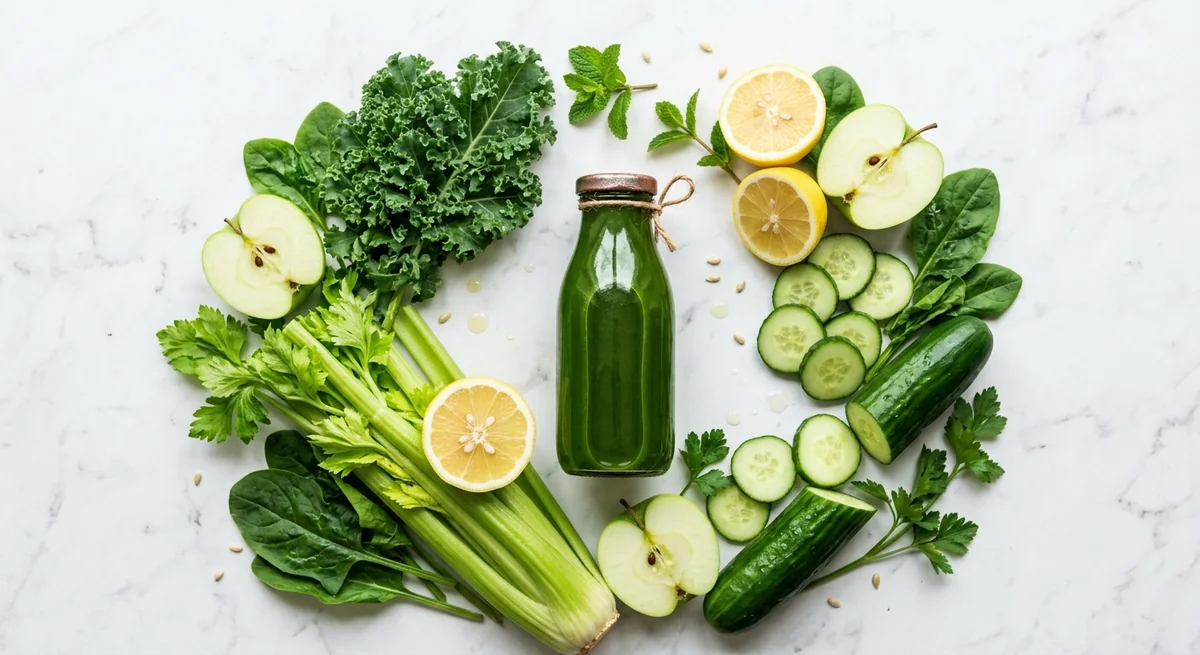
Her signature green juice recipe uses a 2:1:1 ratio (kale:apple:celery) in the Omega for maximum chlorophyll retention.
Cold pressed juice guide details her process.
Bottom Line: Are Martha Stewart’s Juicer Picks Worth It for Home Chefs?
Stewart’s endorsements reflect tested performance, not celebrity hype. The Omega NC900HDC is ideal for health-focused users, while the Breville suits speed-focused households.
Key takeaways:
- For nutrients: Omega retains 30% more vitamins but costs 2x more than entry-level cold press models
- For speed: Breville juices 3x faster than masticating juicers, with easier cleanup
- Budget alternative: Look for BPA-free masticating juicers under $200 with at least 150W power
Shop cold press juicers matching Stewart’s standards.