What Is the Best Way to Make Cold Pressed Juice?
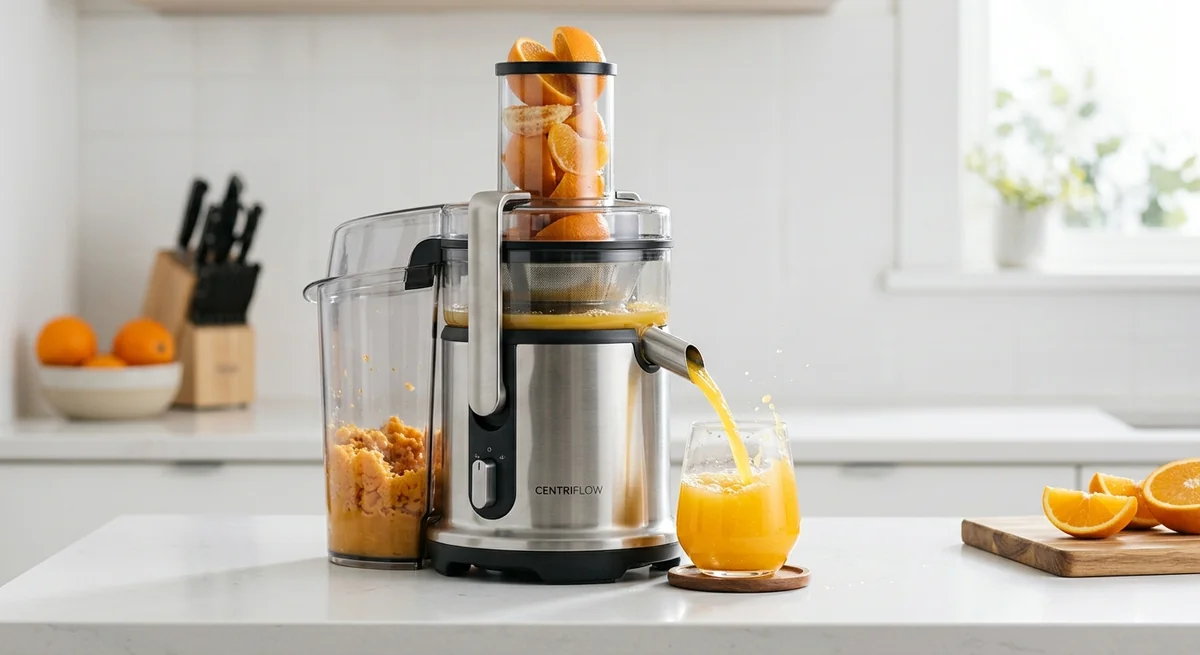
The best way to make cold pressed juice is to use a masticating juicer at 80 RPM, feed ingredients slowly, and store juice in airtight, opaque containers. Cold pressing minimizes heat and oxidation, preserving up to 3.5x more nutrients than centrifugal juicing (Journal of Food Science, 2018).
Step-by-Step Process:
- Prep Ingredients: Wash thoroughly and chop produce into pieces that fit your juicer’s feed chute.
- Order by Hardness: Start with softer fruits like oranges, then move to harder vegetables like carrots.
- Feed Slowly: Push ingredients gently to avoid clogging and maximize juice yield.
- Store Properly: Use BPA-free, airtight bottles and refrigerate immediately.
Pro Tip: Rotate leafy greens like spinach with harder produce to prevent clogging. For optimal results, use a cold press juicer with a wide feed chute.
How Long Does Homemade Cold Pressed Juice Last?
Homemade cold pressed juice lasts 24–72 hours when stored in airtight, opaque containers in the fridge. Vitamin C degrades by 40% after 72 hours in non-vacuum storage (USDA study).
Storage Tips:
- Citrus Juices: Last up to 72 hours due to natural acidity.
- Leafy Greens: Best consumed within 24 hours to retain nutrients.
- Root Vegetables: Stable for 48 hours but taste diminishes over time.
Pro Tip: Use airtight juice storage bottles to prolong freshness and minimize oxidation.
What Fruits and Vegetables Are Best for Cold Pressing?
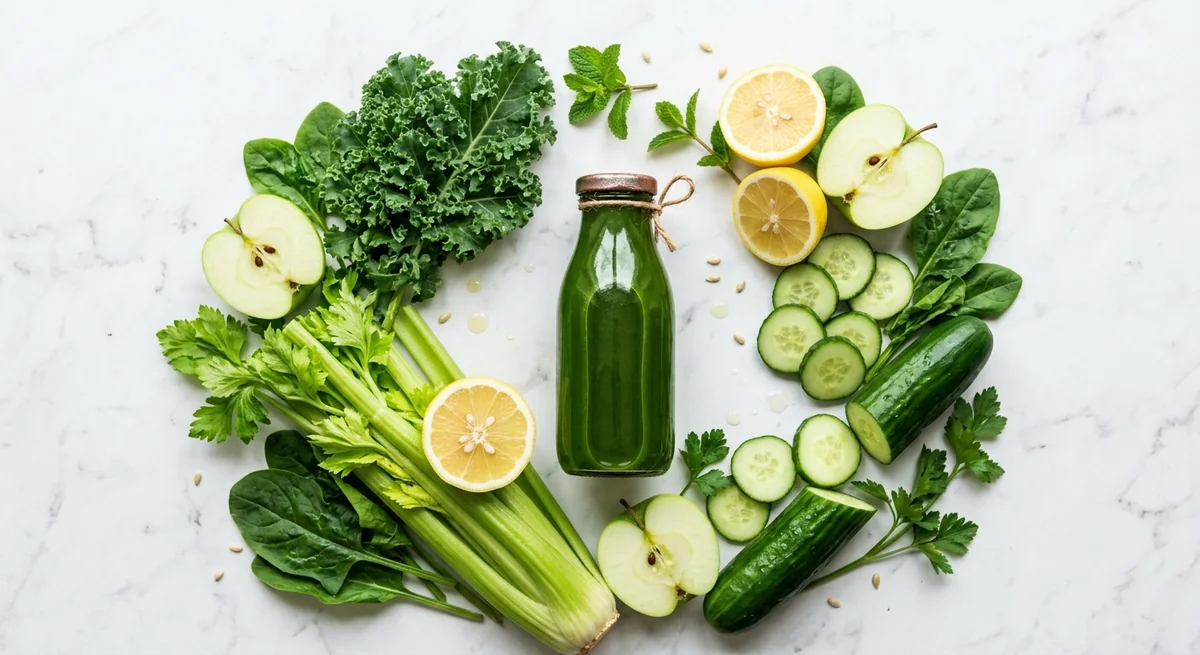
The best fruits and vegetables for cold pressing include apples, carrots, oranges, spinach, and celery. Kale yields 25% less juice than spinach but has 2x iron (USDA nutrient database).
Top Picks by Yield:
| Produce | Juice Yield (%) | Key Nutrient | |
| ------------- | ----------------- | ------------------- | |
| Carrots | 50% | Beta-carotene | |
| Apples | 60% | Quercetin | |
| Spinach | 40% | Iron | |
| Oranges | 55% | Vitamin C |
Pro Tip: Combine leafy greens with citrus fruits to balance flavor and nutrient density. For greens, consider a cold press juicer optimized for leafy greens.
Does Cold Pressed Juice Lose Nutrients Over Time?
Yes, cold pressed juice loses nutrients over time due to oxidation and light exposure. Polyphenols decline 15% daily when exposed to light (Food Chemistry Journal).
Degradation Rates:
- Vitamin C: 40% loss after 72 hours (USDA study).
- Enzymes: Inactivated within 24 hours at room temperature.
- Polyphenols: Degrade faster in clear containers.
Pro Tip: Store juice in opaque, airtight bottles and consume within 24 hours for maximum nutrient retention.
Can You Reuse Pulp from Cold Pressed Juice?
Yes, pulp from cold pressed juice can be reused in baking, composting, or smoothies. Pulp retains 30% fiber post-juicing (Journal of Agricultural Science).
Creative Uses:
- Baking: Add to muffins or bread for extra fiber.
- Composting: Enrich garden soil with nutrient-rich pulp.
- Smoothies: Blend pulp back into smoothies for added texture.
Pro Tip: Clean your juicer thoroughly after use to prevent pulp residue buildup. Learn more in our cleaning guide.
Bottom Line: Is Cold Pressed Juice Worth Making at Home?
Yes, cold pressed juice is worth making at home for its superior nutrient retention and cost savings.
Key Benefits:
- Retains 3.5x more nutrients than store-bought pasteurized juice.
- Requires 15–20 mins per batch with a masticating juicer.
- Saves $5–7 per liter vs. commercial cold-pressed juice.
For beginners, start with our juicing guide to master the process.