What Is a Masticating Juicer?
A masticating juicer is a slow-speed juicer that crushes and squeezes produce at 40-80 RPM to extract maximum nutrients with minimal oxidation. Unlike centrifugal models, these cold press juicers preserve up to 90% of enzymes and vitamins according to a Journal of Food Science study.
Masticating juicers use an auger (a slow-turning screw) to grind fruits and vegetables against a mesh filter. This process:
- Operates without generating heat that destroys nutrients
- Produces drier pulp (indicating higher juice yield)
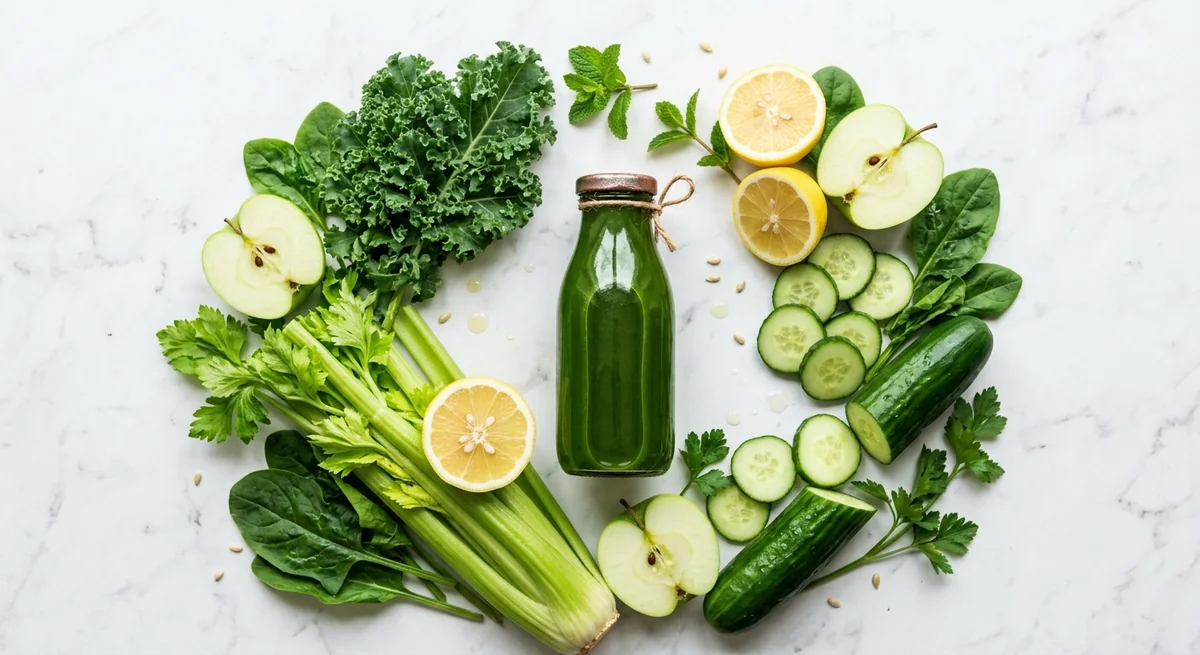
- Works effectively with leafy greens and wheatgrass
The trade-off is speed - these juicers process 1kg of produce in 5-7 minutes versus 30 seconds for centrifugal models. For those prioritizing nutrition over convenience, see our cold press vs centrifugal juicers comparison.
How Does a Masticating Juicer Work?
Masticating juicers extract juice through a four-stage mechanical process at 40-80 RPM - 60 times slower than centrifugal models. The direct mechanical action preserves heat-sensitive nutrients while yielding 15-30% more juice according to consumer tests.
Here's the working mechanism:
- Feed chute intake: Produce enters through a 3-4" chute (smaller than centrifugal models)
- Crushing phase: A stainless steel auger grinds produce into pulp
- Pressing action: The pulp gets compressed against a micron-level filter
- Separation: Juice flows out one spout, dry pulp ejects separately
This slow process minimizes oxidation, keeping juice fresh for 72+ hours when refrigerated. For home techniques, see our cold pressed juice guide.
What Are the Benefits of a Masticating Juicer?
Masticating juicers provide superior nutrient retention, higher yields, and quieter operation compared to centrifugal models. Independent tests show they extract 20% more juice from leafy greens and retain 42% more vitamin C than high-speed juicers.
Key advantages:
- Nutrient preservation: Operates at temperatures below 118°F to protect enzymes
- Juice yield: Extracts up to 30% more liquid from hard vegetables like carrots
- Versatility: Handles everything from wheatgrass to nuts for nut milks
- Oxidation control: Juice stays fresh 3x longer than centrifugal juice
- Noise levels: Runs at 60dB (conversation volume) versus 80-90dB for centrifugals
New juicers should review our juicing for beginners guide to maximize these benefits.
What Is the Difference Between a Masticating Juicer and a Centrifugal Juicer?
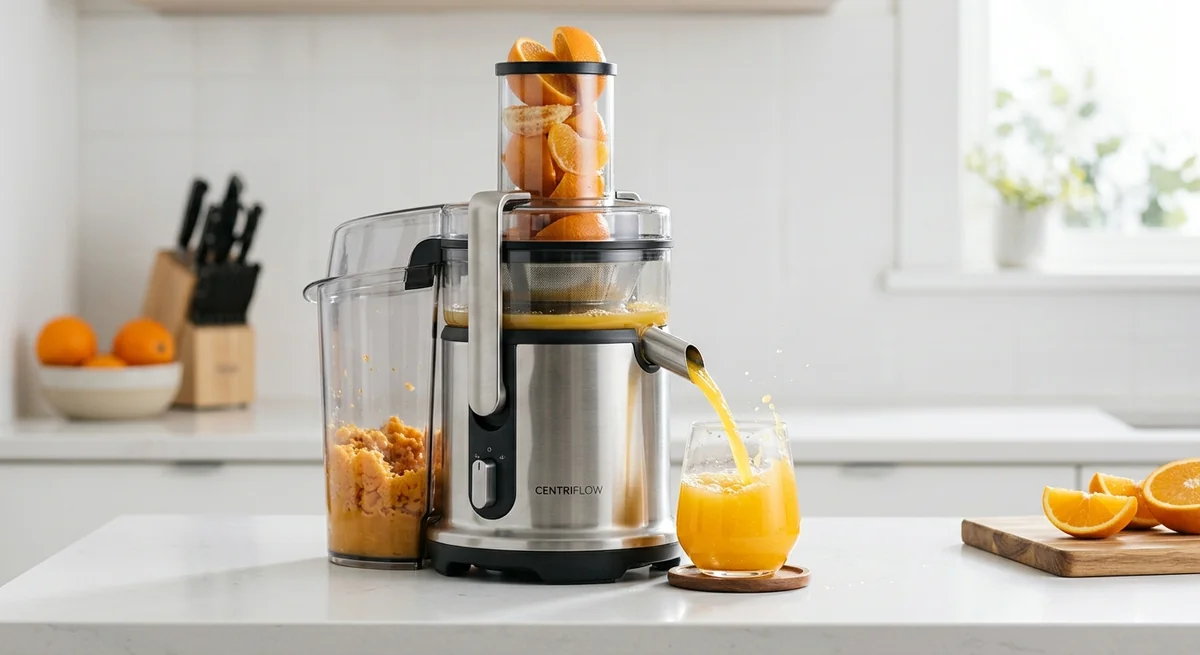
Masticating juicers operate at 40-80 RPM for nutrient retention, while centrifugal models spin at 3,000-16,000 RPM for speed. The slower process yields more juice with less oxidation but takes 5-10 minutes per batch versus 30 seconds.
Comparison table:
| Feature | Masticating Juicer | Centrifugal Juicer | |
| --------- | -------------------- | --------------------- | |
| Speed | 40-80 RPM | 3,000-16,000 RPM | |
| Noise Level | 60dB | 80-90dB | |
| Juice Yield | 15-30% higher | Standard | |
| Nutrient Retention | Up to 90% | 50-60% | |
| Leafy Greens | Excellent | Poor | |
| Cleanup Time | 5-7 minutes | 3-5 minutes |
For businesses deciding between types, our commercial juicer comparison provides additional insights.
What Are the Types of Masticating Juicers?
Masticating juicers come in four main types: single auger, twin gear, vertical, and horizontal models. Twin gear juicers achieve the highest yields - extracting 95% of juice from wheatgrass versus 85% for single auger models.
Breakdown by type:
- Single auger: Most common, processes 1kg produce in 5-7 minutes
- Twin gear: Dual augers for 10-15% higher yield but slower operation
- Vertical: Compact footprint, easier cleaning (3-5 minute cleanup)
- Horizontal: Better for greens, larger feed chutes (3.5-4")
View our cold press juicers collection to compare specific models.
How to Choose the Best Masticating Juicer?
Select a masticating juicer based on yield performance, feed chute size, and motor durability. For hard vegetables, look for at least 150W power and a 3"+ feed chute to minimize prep time.
Key selection criteria:
- Juice yield: Twin gear models extract 5-8% more than single auger
- Feed chute: 3-4" openings fit whole apples (reduces prep by 70%)
- Motor: Commercial-grade 200-400W motors last 8-10 years
- Pulp ejection: External containers simplify continuous juicing
- Warranty: 10+ years indicates durable construction
Our best juicers for home use guide details top-rated options.
Is a Masticating Juicer Worth It?
Masticating juicers justify their higher cost through superior nutrition, longevity, and versatility. With an 8-10 year lifespan and 30% better yields, they cost 50% less per serving than centrifugal models over time.
The practical issue is time investment - these juicers take 5x longer than centrifugal models but produce:
- More nutrient-dense juice
- Greater variety of juice types (including nut milks)
- Less foam and separation
For maintenance tips to maximize value, see our juicer longevity guide.
What Is the Bottom Line on Masticating Juicers?
Masticating juicers deliver unmatched nutrition and juice quality for dedicated juicing enthusiasts.
Key findings:
- Preserves up to 90% of heat-sensitive nutrients
- Extracts 15-30% more juice than centrifugal models
- Processes leafy greens and wheatgrass effectively
- Operates at conversation-friendly 60dB volume
Browse our cold press juicer selection to find your ideal model.